

Denmark's newly formed left-leaning coalition government has pledged to resist renewed US pressure over Greenland while also rolling out a broad package of domestic economic reforms aimed at easing the cost of living for households.
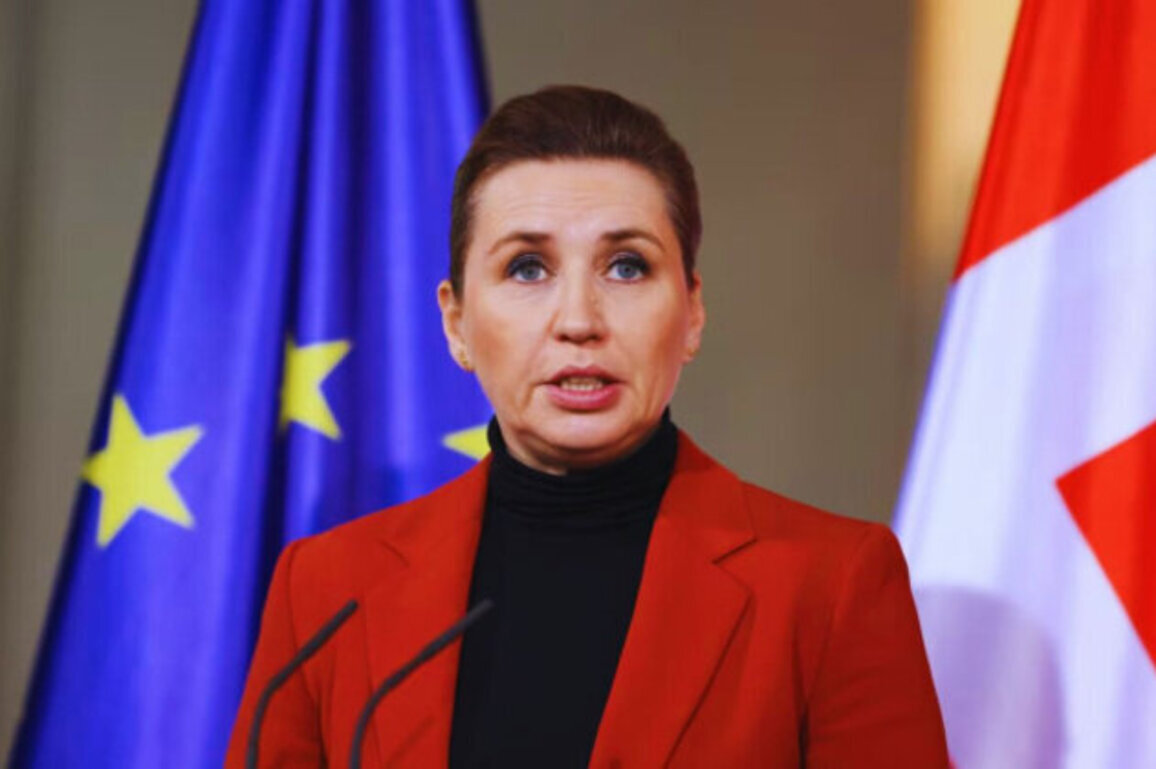
Prime Minister Mette Frederiksen, set to begin a third consecutive term, said the new administration would focus on improving everyday conditions for citizens. She stated, ?We present a government that will help improve the everyday lives of Danes,? adding that the planned initiatives were targeted at those most affected by rising living costs.
Among the key measures announced are a reduction in value-added tax on food, with VAT on fruit and vegetables set to be fully removed. The government also plans to introduce free public transport for young people under the age of 22 and expand support for pensioners with lower incomes through monthly payments.
Frederiksen said the policy package was designed to provide ?concrete? assistance, particularly for households struggling with higher fuel prices, noting that the measures reflect what she described as the government's practical approach to economic pressure.
The coalition agreement was reached late on Monday after two months of negotiations following March elections. The new government brings together the Social Democrats, the Social Liberals, the Green Left, and the centrist Moderates, forming a four-party minority administration.
Although the Social Democrats finished first in the election, the party recorded its weakest result in over a century, leading to prolonged coalition talks. The new arrangement marks a shift to the left after Frederiksen's previous four years leading a broader cross-spectrum government.
With only 82 seats in the 179-seat parliament, the coalition will depend on support from smaller left-wing parties, including the Red-Green Alliance, to secure a governing majority.
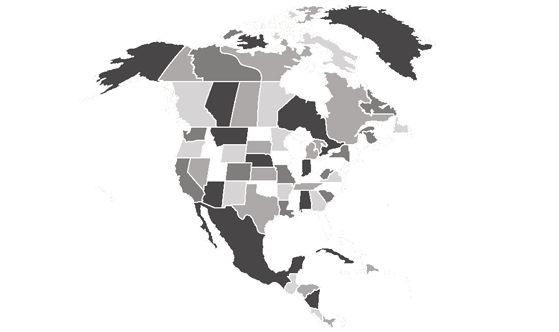
Foreign policy remains a central focus, particularly ongoing tensions with the United States over Greenland, a semi-autonomous Danish territory. US political figures, including Donald Trump, have repeatedly expressed interest in bringing Greenland under US control, citing security concerns.
The government has said it will firmly defend Denmark's sovereignty, territorial integrity, and Greenland's right to self-determination, while also strengthening military capabilities in response to shifting transatlantic security dynamics and uncertainty over US commitments to Europe.
At the same time, the coalition agreement includes commitments to expand social welfare measures, such as introducing free dental care within the next decade and increasing financial support for vulnerable pensioners.
Lars Lkke Rasmussen, leader of the Moderates and outgoing foreign minister, described the agreement as an effort based on ?redistribution based on solidarity? and said it would ensure stability during a period of global uncertainty.
Frederiksen also confirmed that the government will continue its strict stance on immigration policy, including efforts to increase deportations of foreign criminals and further development of asylum processing centers outside the European Union, a policy that has drawn criticism from human rights groups.
Domestic policy also extends to agriculture, where new restrictions will target intensive pig farming practices. The government plans to phase out extreme breeding methods, improve animal welfare standards through larger housing conditions, and end routine tail docking.
A cross-sector commission involving government, farmers? organizations, NGOs, and municipalities will be established to redesign the livestock sector in a more comprehensive way.
Frederiksen, who entered parliament in 2001 and became Social Democratic leader in 2015, has long pursued a tougher immigration agenda while also supporting higher defense spending and stronger international engagement, particularly in support of Ukraine.
The coalition was only formed after earlier attempts to build both left- and right-leaning alliances failed, making this agreement the third major effort since the election. Analysts have noted that the prolonged negotiations and internal political strains could pose challenges to the government's stability over its term.