

The United States told the United Nations Security Council that Russia's full-scale invasion of Ukraine has turned into a strategic failure, as diplomats gathered for an emergency session following another wave of large-scale Russian attacks on Ukrainian cities.
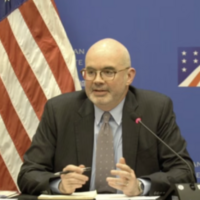
Speaking on behalf of the United States at the meeting, Dan Negrea, the US representative to the UN Economic and Social Council, argued that Moscow has failed to achieve its objectives despite more than four years of war. He pointed to growing pressure on Russia's military campaign and infrastructure, saying the conflict has become a costly setback for the Kremlin.
?Russia's invasion of Ukraine has been a strategic disaster,? Negrea said. ?Moscow cannot achieve its goals on the battlefield. Escalation will not change that and only risks making the disaster worse. This war must end now. Enough is enough.?
The US diplomat urged countries around the world to stop supporting Russia's military effort, insisting there is no military solution to the conflict. He specifically mentioned Iran and Cuba, accusing Tehran of supplying drones used by Russian forces in Ukraine and criticizing Havana for allowing Cuban citizens to participate in the war on Russia's side.
Negrea reiterated Washington's position that a negotiated settlement remains the only realistic path toward ending the conflict. ?The United States remains ready as ever ? as we have repeatedly told both sides ? to facilitate a durable end to this war,? he said.
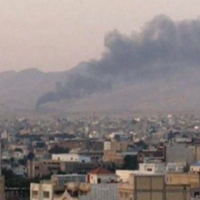
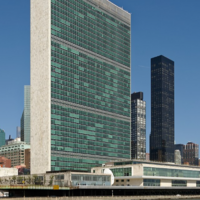
The Security Council meeting was convened at Ukraine's request after a series of Russian missile and drone attacks that struck multiple Ukrainian cities. UN officials warned that civilian casualties have surged in recent days, reflecting an increasingly dangerous trend.
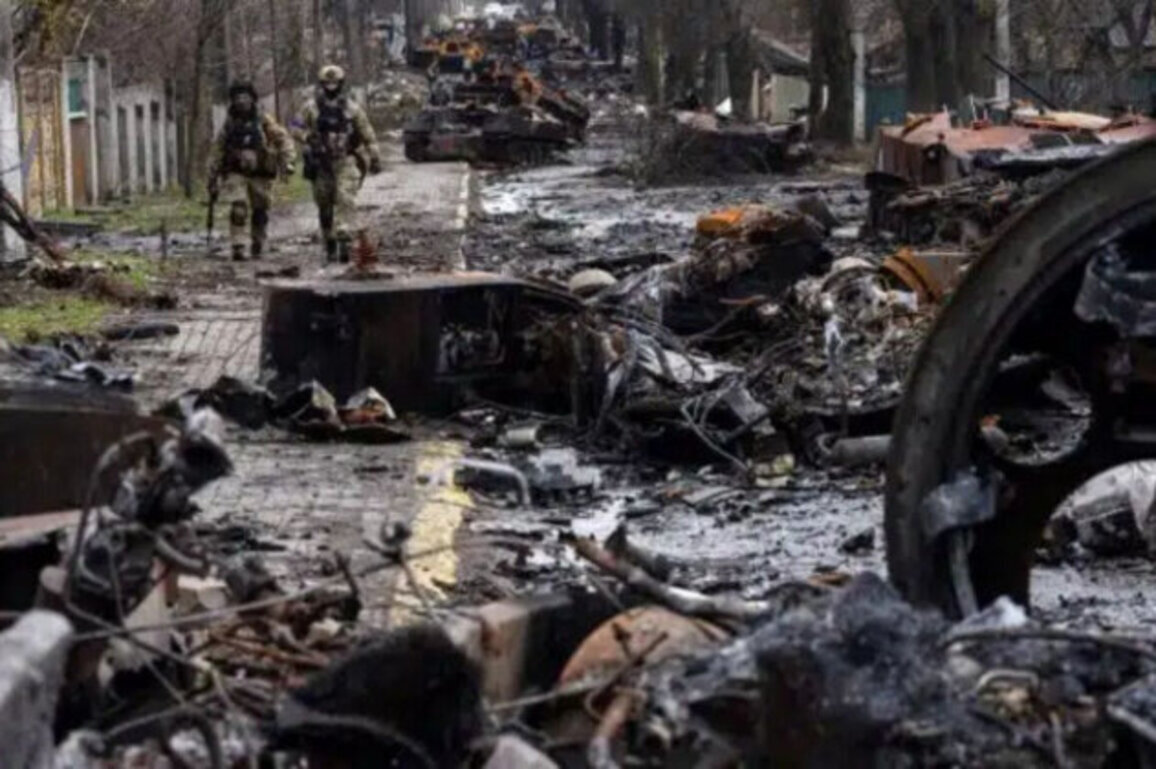
Indrika Ratwatte, the acting UN humanitarian chief, told council members that at least 30 civilians had been killed and more than 200 injured between June 5 and June 8. He warned that attacks on populated areas continue to intensify and stressed that millions of Ukrainians remain dependent on humanitarian aid.
According to Ratwatte, approximately 10.8 million people across Ukraine require humanitarian assistance, while less than half of the funding needed for relief operations has been secured. ?Do not allow this level of civilian harm and suffering to become the new normal,? he urged.
Several countries used the session to condemn Russia's latest attacks and support calls for a ceasefire. Representatives from Denmark, Germany, and Finland argued that Ukraine has repeatedly expressed readiness for an immediate halt in hostilities, while Moscow has shown little willingness to engage in meaningful peace efforts.
Finnish Foreign Minister Elina Valtonen said Russia had failed to achieve its goals despite years of fighting and accused Moscow of escalating attacks against civilian areas. ?Peace cannot be built on aggression, coercion or the subjugation of a people,? she told the Security Council.
Ukraine's ambassador to the UN, Andrii Melnyk, described the recent attacks as among the most severe of the war. He said the strikes against civilians had established a troubling new benchmark for violence and insisted that no military objective could justify such actions. Melnyk also criticized Russian President Vladimir Putin for rejecting President Volodymyr Zelensky's proposal for direct talks between the two leaders.
Russia's UN ambassador, Vasily Nebenzya, rejected the accusations. He insisted that Russian forces conduct precision strikes exclusively against military targets and claimed civilian casualties are the result of Ukrainian air-defense operations. Nebenzya also dismissed Zelensky's appeal for a meeting with Putin, calling it a provocation.
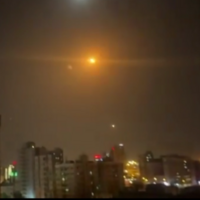
The emergency session followed two major Russian aerial assaults launched in recent weeks that hit Kyiv, Dnipro, and other cities, killing dozens of civilians and injuring hundreds more.
Despite differing positions on responsibility for the conflict, most members of the Security Council agreed that the latest escalation highlights the urgent need for renewed diplomatic efforts. Many argued that without a ceasefire and serious negotiations, the humanitarian toll of the war will continue to grow.